Rivetsyada Copper waa qabow laga been abuurtay H65 naxaas ah, taas oo ka dhigaysa mid firfircoon oo adkaysi u leh. Waxa lagu dari karaa lowska naxaasta ah si ay u sameeyaan walxo ka samaysan naxaas-naxaas oo iska caabiya daxalka korantada. Naqshaddooda ciddiyaha bannaan waxay taageertaa rakibaadda hal dhinac ah waxayna isku daraysaa ku habboonaanta indhoolayaasha indhoolayaasha. Jiid keliya ee qoriga ciddiyaha ayaa ah waxa kaliya ee ay ku qaadanayso in si joogto ah loogu dhejiyo shasis, basbaarrada, ama taarikada naxaasta badda, taas oo qancinaysa labadaba baahida loo qabo dhulka la dhigo iyo qurxinta bilicda.
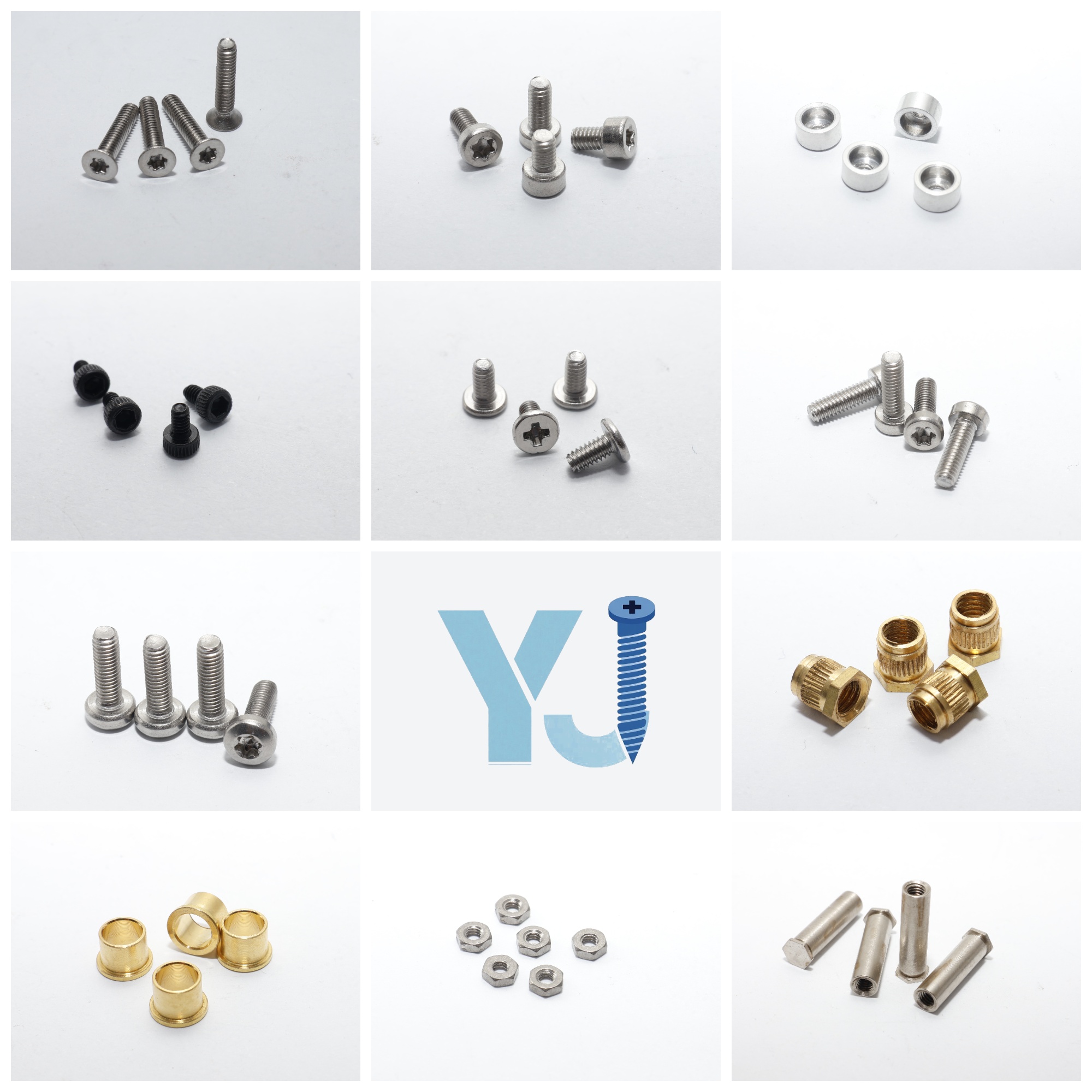
Hal qayb oo ka mid ah Shanghai Yijun Precision Technology Co., Ltd.
Codsiga alaabta: Precision Electroics, Aaladaha caafimaadka, Bandhiga LED, Tablets, Robot, Mechanical Parts, Mobile Communication, Saacadda muraayadaha, Xiritaan Caqli ah, Qalab, Gaadiid aan cidi wadin, Qaybo baabuur
Isagoo taagan hoostiisa saqafka naxaasta ee cimilada ee cathedral qarniyo jir ah, waxaa laga yaabaa inaan isla markiiba la dareemin xirxirayaasha yaryar, ee aan maskaxda lahayn ee isku haya saqafyada. Haddana maar kasta oo naxaas ah ayaa markhaati u ah caqli-galnimada bini'aadamka-isku-darka sifooyinka dabiiciga ah ee naxaasta iyo farsamada farsamada si loo abuuro isku-dhafka roobka, dabaysha, iyo wakhti u adkaystay qarniyaal. Rivetsyada Copper aad ayey uga badan yihiin isku-xireyaasha; waa qaybo kala duwan oo isku xidha shaqaynta iyo bilicda warshadaha oo kala duwan sida dhismaha, elektiroonigga, injineernimada badda, iyo moodada. Laga soo bilaabo fiilooyinka qallafsan ee xadhkaha korantada ilaa qolofta markabka mara badaha furan, jeexjeexyada naxaasta ahi waxa ay ciyaaraan door aamusan laakiin muhiim u ah ilaalinta adduunkeena si habsami leh. Maqaalkani waxa uu sahaminayaa taariikhda, sayniska maadiga, wax-soo-saarka, codsiyada, iyo mustaqbalka jeexjeexyada naxaasta, isaga oo iftiiminaya sababta xidhidhiyeyaashan yar-yar ay ugu sii jiraan lama huraan marka la eego muuqaalka teknoolojiyadda degdegga ah ee kobcaya.
Sheekada jeexjeexyada naxaasta ah waxay ku bilaabataa helitaanka naxaasta lafteeda - mid ka mid ah biraha ugu horreeya ee ay isticmaalaan bini'aadamka, oo ku saabsan 9000 BCE ee Bariga Dhexe. Ilbaxnimadoodii hore waxa ay aqoonsadeen maaraynta iyo adkaysiga naxaasta, iyaga oo u adeegsan jiray in ay abuuraan agabka, dahabka, iyo xidhayaasha. Caddaynta qadiimiga ah waxay soo jeedinaysaa in Masaarida ay adeegsadeen maro naxaas ah si ay u ururiyaan alaabta guriga iyo weelasha alwaax ah horaantii 4000 BC. Intii lagu jiray da'da Bronze (c. 3300-1200 BC), rivets bronze (daawaha naxaasta iyo daasadaha) ayaa ku caan noqday dhisidda maraakiibta, maadaama ay ka xoog badnaayeen naxaasta saafiga ah oo ay weli u adkaysanayaan daxalka. Giriigta iyo Roomaanku waxay sii nadiifiyeen isticmaalka rivets naxaas ah, iyaga oo ka shaqeynaya dhismaha biyo-mareennada, macbadyada, iyo maraakiibta badda.
Kacaankii Warshadaha ee qarniyadii 18-aad iyo 19-aad waxa uu calaamad u noqday jeexjeexyada naxaasta ah. Horumarka laga sameeyay farsamada biraha iyo farsamada wax soo saarka ballaaran ayaa loo oggolaaday wax soo saarka baaxadda weyn ee lebiska, rivets tayo sare leh. Tani waxay ka dhigtay mid la heli karo si loogu isticmaalo tareenada, maraakiibta uumiga, iyo mashiinada warshadaha. Tusaale ahaan, qarnigii 19-aad dhisayaasha maraakiibta waxay si weyn ugu tiirsanaayeen jeexjeexyada naxaasta si ay ugu biiraan looxyada alwaaxyada ee qolofka oo ay ku dhejiyaan dhogorta naxaasta (taas oo ka hortagaysa korriinka barnacle) si ay u dejiyaan gunta hoose. Dhinaca dharka, naxaasta rivets waxay caan ka heleen xoojinta dharka shaqada-xoojinta geesaha jeebka iyo tolida si ay ugu adkeystaan culeyska shaqada gacanta, doorashada naqshadeynta oo hadhow noqon doonta shey calaamad u ah dharka waara.
By the 20th century, Copper Rivets had expanded into new domains, including electrical engineering and aerospace, as scientists and engineers recognized their unique combination of conductivity and corrosion resistance. Today, they continue to evolve, adapting to the needs of modern technology while retaining their timeless appeal in traditional applications.
To understand why copper rivets are so widely used, one must look at the inherent properties of copper—elements that make it an ideal material for Fasteners:
1. electrical and thermal conductivity: Copper is renowned for its exceptional electrical conductivity, second only to silver. With a conductivity rating of 59.6 million siemens per meter (MS/m), it efficiently carries electrical current with minimal energy loss. This property makes copper rivets indispensable in electrical systems, where they connect components like bus bars, terminals, and wiring. Additionally, copper’s high thermal conductivity (401 watts per meter-kelvin, W/m·K) allows it to dissipate heat quickly, a critical feature in electronics and power distribution systems that need to avoid overheating.
2. Corrosion Resistance: Copper naturally forms a protective layer of oxide (patina) when exposed to air or moisture. This patina—often a greenish-blue color—acts as a barrier, preventing further corrosion of the underlying metal. In harsh environments like saltwater or industrial settings, this resistance is invaluable. For example, copper rivets used in marine applications can last decades without rusting, unlike steel rivets which would degrade rapidly in saltwater.
3. Malleability and Ductility: Copper is highly malleable, meaning it can be easily shaped or deformed without breaking. This property is essential for rivets, as setting them requires deforming the shank to create a permanent joint. Copper’s ductility (ability to be drawn into thin wires) also allows for the production of rivets with precise shank diameters, suitable for a wide range of applications.
4. Aesthetic Appeal: Beyond functionality, copper rivets offer a distinct visual charm. Their warm, reddish-brown hue ages gracefully into a rich patina, making them a popular choice for decorative applications in architecture and fashion. Whether used to accent a copper roof or add a rugged touch to a leather bag, copper rivets blend utility with beauty.
5. Biocompatibility: Copper is biocompatible—meaning it does not react negatively with human tissue. This makes copper rivets suitable for medical devices, such as surgical instruments or implants, where material safety is paramount.
Copper rivets find use in a vast array of industries, each leveraging their unique properties:
Copper has long been a favorite material in architecture for its durability and aesthetic appeal, and rivets are key to its application. In roofing, copper panels are joined using rivets to create watertight seams that can last over 100 years. The patina that develops on these rivets adds character to the building, blending with the surrounding environment. For historic preservation projects, copper rivets are often used to restore old structures, as they match the original materials and provide the same level of durability. Additionally, copper rivets are used in plumbing systems—joining copper pipes and fittings to create leak-proof connections that resist corrosion from water and chemicals.
The high conductivity of copper makes rivets essential in electrical systems. They are used to connect bus bars (thick copper strips that carry large currents) in power plants and substations, ensuring efficient energy transfer. In electronics, copper rivets are used in circuit boards, battery terminals, and heat sinks—dissipating heat and maintaining electrical connections. For example, in electric vehicles, copper rivets connect the battery pack to the motor, carrying high currents without overheating.
Saltwater is one of the harshest environments for metals, but copper rivets thrive here. They are used in shipbuilding to join hull panels, decks, and marine equipment. Copper’s corrosion resistance prevents rust and degradation, extending the life of the vessel. Additionally, copper rivets are used to attach copper sheathing to ship hulls—this sheathing repels barnacles and other marine organisms, reducing drag and improving fuel efficiency. For offshore platforms, copper rivets are used in pipelines and structural components, where they withstand constant exposure to saltwater and harsh weather.
Copper rivets have become a symbol of durability in fashion. They are used to reinforce stress points in workwear—like pocket corners and seams—ensuring the garment can withstand heavy use. In leather goods, copper rivets add both strength and style to belts, bags, and shoes. Their natural patina develops over time, giving each item a unique, vintage look. Even in jewelry, copper rivets are used as decorative elements, adding a rustic touch to necklaces, bracelets, and earrings.
Copper’s biocompatibility makes it suitable for medical applications. Copper rivets are used in surgical instruments (like forceps and scissors) to join metal components, as they are non-toxic and resistant to corrosion from sterilization chemicals. They are also used in implantable devices—such as pacemakers and joint replacements—where they provide a secure, long-lasting connection.
While aluminum and titanium are the primary materials in aerospace, copper rivets are used in specific applications where conductivity or heat dissipation is critical. For example, they are used in avionics systems (like navigation equipment) to connect electrical components, and in heat exchangers to dissipate heat from engines. Copper rivets are also used in satellite components, where their corrosion resistance and conductivity are essential for long-term performance in space.
Each of these applications highlights the versatility of copper rivets—adapting to the unique needs of every industry.
Marka laga soo tago adeegsigooda shaqayneed, jeexjeexyada naxaasta ah waxay hayaan qiimaha dhaqanka iyo quruxda. Bulshooyin badan, naxaasku waxay la xidhiidhaa adkeysiga iyo farsamada gacanta. Patina ee jeexjeexyada naxaasta ah ee dhismayaasha taariikhiga ah ayaa loo arkaa inay calaamad u yihiin dhaxalka, isku xirka wakhtiga xaadirka ah ee la soo dhaafay.
In fashion, copper rivets have become a design statement. They represent ruggedness and longevity, appealing to those who value quality over fast fashion. A pair of work pants with copper rivets is not just clothing—it’s a testament to the wearer’s commitment to durability and practicality.
As the world increasingly focuses on sustainability, copper rivets stand out for their eco-friendly properties:
100% Recyclable: Copper is one of the most recyclable metals—nearly 80% of all copper ever mined is still in use today. When a copper rivet reaches the end of its life, it can be melted down and reused without losing any of its properties.
Long Lifespan: Copper rivets have a long service life—often decades or even centuries. This means fewer replacements, reducing waste and the environmental impact of manufacturing new fasteners.
Low Maintenance: Copper rivets require minimal maintenance. Their corrosion resistance means they do not need to be painted or treated, reducing the use of harmful chemicals and the cost of upkeep.
Energy Efficiency: In electrical applications, copper’s high conductivity reduces energy loss, making power systems more efficient. This helps lower carbon emissions from power generation.
These sustainability features make copper rivets a responsible choice for industries looking to reduce their environmental footprint.
The future of copper rivets is bright, with new innovations expanding their applications:
1. Smart Rivets: Researchers are develoPing copper rivets embedded with sensors that can monitor stress, temperature, or corrosion in real time. These smart rivets will be used in critical applications like aerospace and marine engineering, where early detection of failures can prevent accidents and reduce maintenance costs.
2. 3D Printing: 3D printing technology is being used to create custom copper rivets with complex shapes. This allows for more precise designs tailored to specific applications, such as medical devices or aerospace components.
3. Green Technology: As the world shifts to renewable energy, copper rivets will play a key role. They are used in solar panels (connecting cells to the frame), wind turbines (electrical components), and electric vehicle batteries (connecting cells). Their high conductivity and durability make them ideal for these applications.
4. Nanotechnology: Advances in nanotechnology are improving the properties of copper rivets. For example, coating copper rivets with nanomaterials can enhance their corrosion resistance or conductivity, making them even more effective in harsh environments.
These innovations will ensure that copper rivets remain relevant in the 21st century, adapting to the needs of a rapidly changing world.
These small fasteners embody the perfect blend of natural properties and human craftsmanship—combining conductivity, corrosion resistance, malleability, and aesthetic appeal. Whether holding a cathedral’s roof in place, powering a city’s grid, or reinforcing a pair of work pants, copper rivets play an essential role in our daily lives.
As we move toward a more sustainable and technologically advanced future, copper rivets will continue to evolve. Smart rivets, 3D-printed designs, and green technology applications will expand their uses, while their timeless properties—durability, conductivity, and beauty—will keep them relevant for generations to come.

 English
 Español
 Portugues
 Pусский
 Français
 Deutsch
 日本語
 한국어
 العربية
 Italiano
 Nederlands
 Ελληνικά
 Svenska
 Polski
 ไทย
 Türk dili
 हिन्दी
 Indonesia
 Melayu
 Tiếng Việt
 中文
 dansk
 Magyar
 қазақ
 বাংলা
 עִברִית
 čeština
 မြန်မာ
 فارسی
 українська
 norsk
 Gaeilge
 беларускі
 Română
 ພາສາລາວ
 Filipino
 lietuvių
 Cymraeg
 македонски
 Suomalainen
 slovenský
 o'zbek
 اردو
 հայերեն
 Igbo
 български
 سنڌي
 Shona
 සිංහල
 Hrvatski
 íslenskur
 galego
 català
 Zulu South Africa
 Afrikaans isiXhosa
 ಕನ್ನಡ
 lëtzebuergesch
 Indonésia Sunda
 Кыргызча
 тоҷикӣ
 Србија
 Twi
 Hawaii
 Cebu
 नेपाल
 euskara
 frissi
 יידיש
 latvija
 slovenija
 kiswahili
 ਪੰਜਾਬ
 پښتو
 საქართველოს
 hua moni
 bosna
 Kreyòl ayisyen
 Eesti
 Gàidhlig na h-Alba
 Samoa
 Монгол
 Azərbaycan
 አማራ
 Shqipëria
 Malagasy
 Malta
 ខ្មែរ
 Chicheva
 中文(繁体)
 ଓଡିଆ
 Setswana
 Afrikaans
 Aymara
 Башҡорт
 Türkmenler
 ትግሪኛ
 Afaan Oromoo
 অসমীয়া
 Kinyarwanda
 Ilocano
 Wolof
 अवधी
 Oluganda
 Bikol
 Fulɓe
 Kikongo
 Sango
 ދިވެހި
 Lingala
 मैथिली
 Tsonga
 ꯃꯦꯏ ꯊꯥꯏ꯫
 brezhoneg
 Furlan
 नेवा
 རྫོང་ཁ
 Santali
 Аҧсуа
 Нохчийн
 Чӑваш
 Татар
 Batak Karo
 دری
 Diura
 Fengyu
 Eʋegbe
 Iban
 Fiji
 Tonga
 Inuktitut
 Nahuatl
 maaya yucatec
 Runasimi
 guarani
 Qafar
 Acholi
 Dinka
 Luo
 Lundi
 isiNdebele
 Tshivenḓa
 Sesotho sa Leboa
 Sesotho sa Borwa
 Ndumbe
 Papuan Pidgin
 Rromani ćhib
 Thok Nath
 Raadi



 Taleefanka